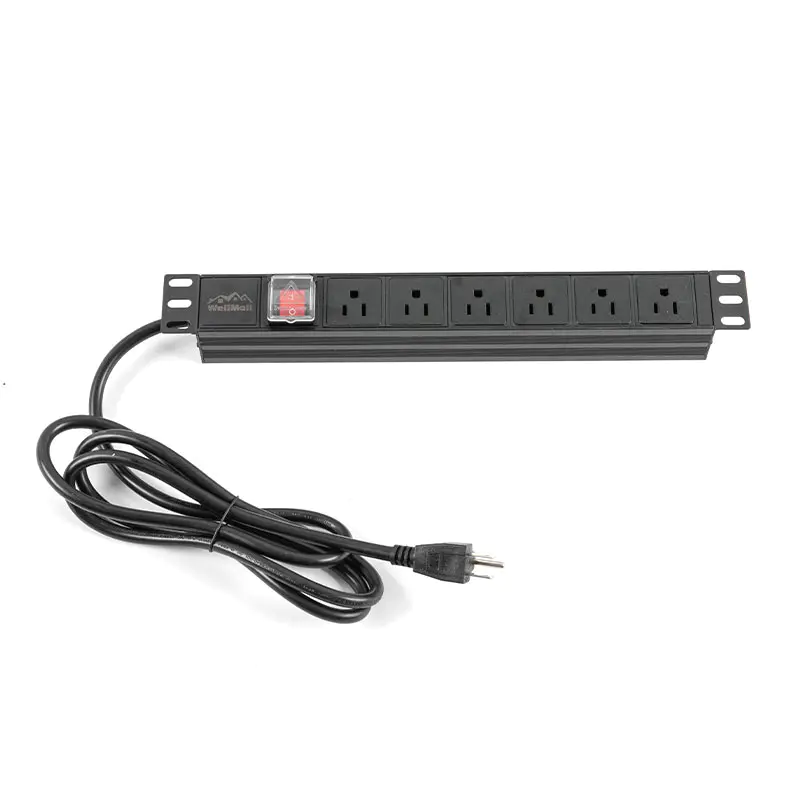
1. What Are Data Center Network Cabinets?
A Data Center Network Cabinet is a secure, enclosed structure used to house various IT equipment, such as servers, networking switches, routers, storage devices, and other networking hardware. These cabinets are designed to ensure the organization, security, and longevity of the equipment inside while optimizing space usage and cooling efficiency.
Ningbo DCDU鈥檚 Solutions for Network Cabinets
With the rapid development of cloud computing and the increasing demand for virtualization and high-density blade servers, traditional data centers face significant challenges in terms of energy consumption, space, and maintenance. Ningbo DCDU Power Distribution Equipment Co., Ltd. has developed a series of high-density, energy-efficient network cabinets and power distribution units (PDU) that help data centers overcome these challenges. Their solutions provide optimal airflow, reduce energy consumption, and facilitate the management of high-density servers.
Key Features of DCDU Network Cabinets:
Space Efficiency: DCDU cabinets are designed to maximize storage while minimizing the physical footprint of your equipment.
Energy Efficiency: Their solutions are built to save energy by improving the cooling process and reducing the operational costs associated with excessive power usage.
Quick Deployment: DCDU鈥檚 modular approach enables fast deployment, making it easier to scale data center infrastructure based on changing business needs.
2. Importance of Network Cabinets in Data Centers
Data centers are critical to the functioning of large-scale organizations, and network cabinets play a vital role in this ecosystem. Here are some reasons why these cabinets are essential:
Organization: With hundreds or even thousands of devices in a single facility, network cabinets provide a structured environment for easy installation, maintenance, and scalability.
Security: Network cabinets are built to protect sensitive equipment from environmental hazards, physical tampering, and unauthorized access. Most modern cabinets come with lockable doors and can be equipped with advanced access control systems.
Airflow Management: The proper airflow is crucial to prevent overheating. Data center network cabinets are designed to improve cooling efficiency by promoting optimal air circulation and reducing hotspots.
Space Efficiency: Data centers often have limited space. Cabinets are designed to maximize storage while minimizing the physical footprint of the IT infrastructure.
As the cloud computing era continues to drive the evolution of IT infrastructure, traditional data centers are being pushed to meet new demands. DCDU's network cabinets, with their "Simpie," "Saving," "Smart," and "Safety" advantages, are helping data centers evolve to meet these modern requirements.
3. Types of Data Center Network Cabinets
Data center network cabinets come in various types, each suited to specific needs. Here are the most common types:
a. Rack Cabinets
Rack cabinets are the most common type and are typically used for standard IT equipment. These cabinets are designed to hold 19-inch rack-mountable servers and networking devices.
b. Wall-Mount Cabinets
These are smaller, compact cabinets that are designed to be mounted on the wall. They are often used for small office setups or locations where space is limited.
c. Enclosed Cabinets
These cabinets come with solid doors and are fully enclosed. They provide additional security and protection for sensitive devices from dust, debris, and physical damage.
d. Open Frame Cabinets
Open frame cabinets are just frames with no solid enclosure. They are ideal for installations where airflow is a primary concern, or where access to the hardware is frequent.
e. Modular Cabinets
Modular cabinets are customizable and can be expanded or reconfigured as per the evolving needs of a data center. They are flexible and adaptable to changing business demands, making them the ideal choice for dynamic data center environments.
DCDU鈥檚 Modular Approach
DCDU's modular network cabinets are designed to be flexible and scalable, allowing businesses to adjust their data center infrastructure to meet the evolving needs of high-density IT servers and virtualization technologies. This adaptability makes them ideal for businesses aiming to future-proof their infrastructure.
| Type of Cabinet |
Description |
Ideal Use Case |
| Rack Cabinets |
Standard cabinets designed for rack-mounted equipment. |
Suitable for large-scale IT operations. |
| Wall-Mount Cabinets |
Compact, mountable on walls for space-saving. |
Small-scale or remote office installations. |
| Enclosed Cabinets |
Fully enclosed with solid doors for added protection. |
Ideal for secure and environmentally sensitive setups. |
| Open Frame Cabinets |
Frameless design for better airflow and frequent access. |
Best for environments with high airflow and accessibility needs. |
| Modular Cabinets |
Flexible, customizable cabinets for scalable deployments. |
Designed for businesses with expanding infrastructure needs. |
4. Key Features to Look for in Data Center Network Cabinets
When selecting a network cabinet for your data center, several features should be considered:
Size and Dimensions: Choose a cabinet that suits your equipment鈥檚 size and allows for future growth. Common heights include 42U, 24U, and 18U, where 1U is equivalent to 1.75 inches.
Weight Capacity: Ensure the cabinet can support the weight of your equipment. Overloaded cabinets can lead to structural damage or pose safety risks.
Cooling Solutions: Modern cabinets come with built-in cooling systems, such as fans or airflow management features, to maintain optimal temperatures for your devices. This is especially important in high-density environments like those managed by Ningbo DCDU.
Cable Management: Well-designed cable management systems help to reduce clutter, improve airflow, and prevent cable-related issues, contributing to operational efficiency.
Accessibility: Look for cabinets with removable panels or doors for easy access during maintenance or upgrades.
How DCDU Integrates These Features
Ningbo DCDU鈥檚 network cabinets are designed with energy efficiency and quick deployment in mind. They include built-in airflow management systems and are optimized for modularity, ensuring that your data center can adapt quickly to future demands. Their intelligent PDU solutions allow for more effective cable management, reducing energy consumption and improving the overall efficiency of the IT infrastructure.
5. Benefits of Using Data Center Network Cabinets
a. Improved Efficiency
By optimizing the layout of your IT equipment, network cabinets help reduce the time required for maintenance and troubleshooting. Properly managed equipment also runs more efficiently, leading to energy savings.
b. Scalability
As businesses grow, their IT infrastructure must evolve. Network cabinets are designed to accommodate additional servers and networking hardware, providing a flexible solution that can grow with your business. DCDU鈥檚 solutions excel in providing flexible, scalable infrastructure for businesses embracing the future of cloud computing and high-density IT servers.
c. Enhanced Security
Network cabinets offer robust physical security features, such as locking doors and surveillance options, which protect sensitive data and hardware from theft or tampering.
d. Compliance with Industry Standards
Many industries, such as healthcare and finance, have strict regulatory requirements regarding data security and infrastructure management. Using properly designed network cabinets helps ensure compliance with industry standards, such as HIPAA and GDPR.
e. Energy Efficiency
DCDU鈥檚 focus on energy-efficient solutions contributes to reducing the operational costs associated with running a modern data center. Their solutions achieve low power consumption while maintaining high-performance standards, making them ideal for companies looking to control their investment costs while meeting future demands.
6. Best Practices for Installing Data Center Network Cabinets
Proper installation and setup are critical for ensuring long-term reliability and efficiency. Here are some best practices:
Plan the Layout: Before installation, carefully plan the placement of your cabinets to ensure optimal airflow, ease of access, and space efficiency.
Ensure Proper Cooling: Proper cooling should be a priority. Ensure that the cabinets are placed in a way that maximizes air circulation and prevents overheating. DCDU鈥檚 energy-efficient cabinets and cooling solutions can assist with this.
Cable Management: Use organized cable trays, zip ties, and cable organizers to ensure that cables don鈥檛 obstruct airflow or become a tangled mess.
Regular Maintenance: Check the equipment periodically for dust buildup, overheating, and potential hardware failures. Scheduled maintenance can help extend the lifespan of the equipment.
7. Choosing the Right Vendor for Data Center Network Cabinets
When purchasing network cabinets for your data center, it's important to choose a reputable vendor. Ningbo DCDU Power Distribution Equipment Co., Ltd. provides high-quality, customizable solutions for modern data centers. Their cabinets are designed for energy efficiency, quick deployment, and scalability, making them an ideal choice for companies looking to build or upgrade their data centers.
Why Choose DCDU?
Innovative Solutions: DCDU's products feature advanced energy-saving designs, ideal for businesses aiming for future growth while keeping operational costs low.
Customer Support: DCDU provides excellent after-sales support to help clients with troubleshooting, repairs, and upgrades.
Sustainability: Their solutions focus on creating environmentally friendly data centers by optimizing energy usage and minimizing waste.

 繁体中文
繁体中文
 简体中文
简体中文
 Deutsch